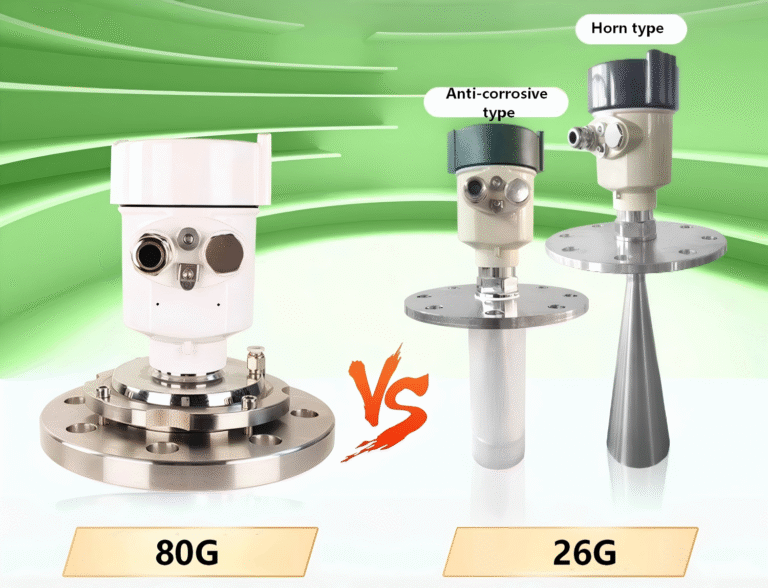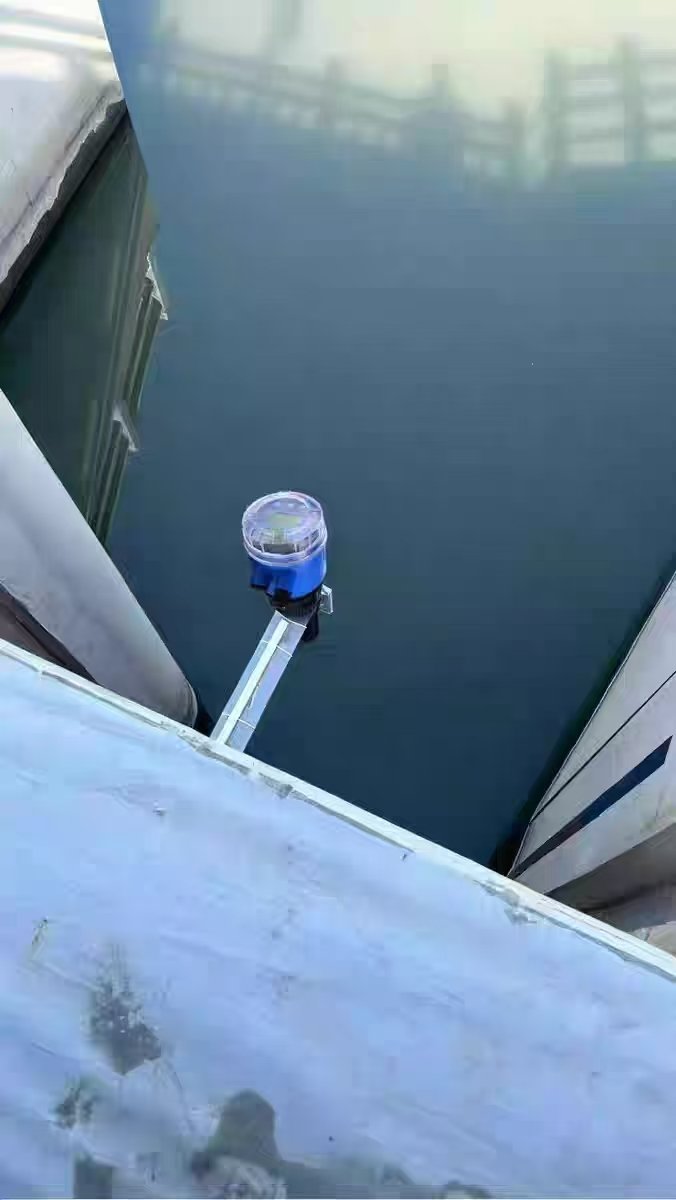
Non contact radar level transmitters offer a highly effective solution for accurately measuring the level of asphalt in storage tanks, addressing a long-standing technical challenge.
When people think of asphalt, road construction is usually the first thing that comes to mind. Indeed, asphalt plays a critical role in infrastructure development. It can be broadly classified into coal tar asphalt, petroleum asphalt, and natural asphalt. Coal tar asphalt is a by-product of coke production, petroleum asphalt is the residue from crude oil distillation, and natural asphalt is found in underground deposits.
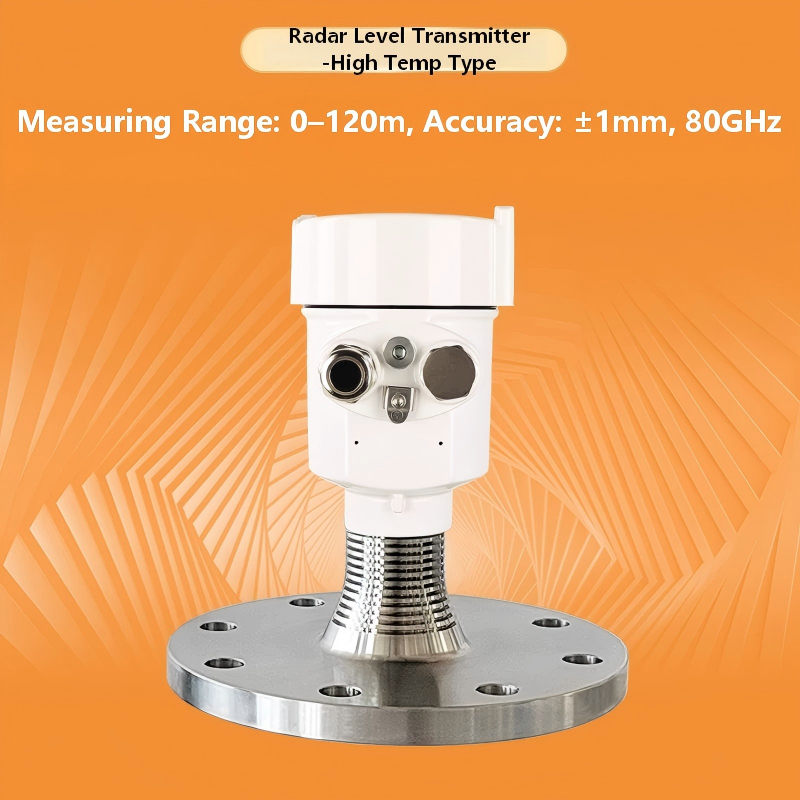
To maintain asphalt quality and stability—preventing contamination and moisture intrusion—it is typically stored in large tanks. However, due to the unique physical and chemical properties of asphalt, accurate level measurement inside these storage tanks has long been a technical challenge. This is where the non contact radar level transmitter offers a highly effective solution.
Challenges in Asphalt Tank Level Measurement
Most asphalt storage tanks are vertical cylindrical metal tanks equipped with internal heating systems and agitators. These structural and process conditions introduce several measurement difficulties:
1. High Viscosity
Asphalt is highly viscous, causing conventional contact-based instruments to experience material adhesion. This leads to measurement inaccuracies and significantly increases maintenance costs.
2. High Temperature Environment
Asphalt must be stored at elevated temperatures to maintain fluidity. Measurement devices must withstand continuous high temperatures without degradation or failure.
3. Corrosive Conditions
Although asphalt is relatively stable under normal conditions, high temperature and long-term exposure can lead to chemical reactions with certain metals, causing corrosion. Instruments must therefore offer strong corrosion resistance.
4. Safety Requirements
Asphalt production and storage involve strict safety standards. Measurement devices must minimize risks such as leakage, fire hazards, and system failures.
Want to Know More About this Non Contact Radar Level Transmitter or its Pricing?
Our engineers will recommend the most suitable model based on your specs and budget.
Limitations of Traditional Measurement Methods
Traditionally, asphalt tanks have relied on double flange differential pressure level transmitters for level measurement. However, these systems present several drawbacks:
- Asphalt solidifies when cooled, leading to diaphragm blockage
- Material buildup and crystallization cause inaccurate readings
- Maintenance is costly and difficult, especially during operation
- Downtime for maintenance negatively impacts production efficiency
These limitations make traditional solutions less suitable for modern asphalt operations.
Why Radar Level Sensors Are the Ideal Solution
The radar level transmitter introduces a non-contact measurement approach that eliminates the core issues faced by traditional technologies.
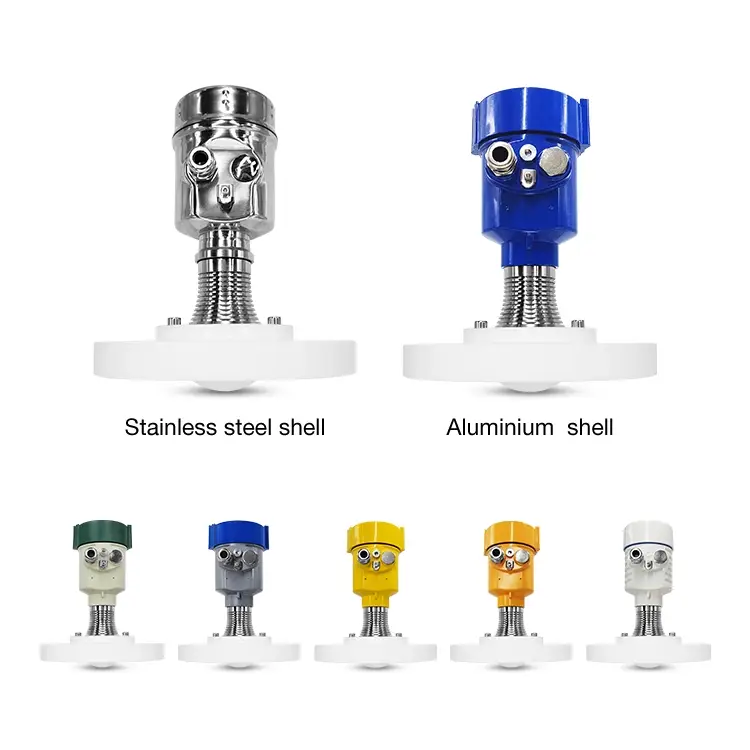
Working Principle of Non contact Radar Level Transmitter
The radar level sensor works based on the time-of-flight principle: it measures the liquid level height by transmitting and receiving microwave signals. The device emits low-energy microwave pulses through the antenna system, and when the microwave signals touch the asphalt liquid surface, they are reflected back. The radar level sensor calculates the distance between the device and the liquid surface by measuring the round-trip time of the signals, and then converts it into accurate liquid level data. This non-contact measurement method completely eliminates the troubles of crystallization and wall hanging, and ensures high precision and long-distance measurement, even in complex tank environments with stirring devices.
Outstanding Advantages of Non Contact Radar Level Transmitter in the Asphalt Industry
Compared with traditional measurement methods, the radar level sensor has obvious advantages, bringing comprehensive upgrades to asphalt tank level measurement:
Green and Safe: The non-contact measurement method does not contact the asphalt medium, so there is no risk of pollution and leakage, helping asphalt enterprises achieve green production and reduce environmental impact. At the same time, its stable operation helps enterprises improve equipment utilization and production efficiency, realizing a win-win situation of economic and environmental benefits.
High Precision and Resolution: Based on the self-developed CMOS millimeter-wave radio frequency chip and 5GHz working bandwidth, the radar level sensor has higher measurement resolution and precision, providing accurate and reliable data support for asphalt storage and production management. Its measurement accuracy can reach the millimeter level, which is far higher than that of traditional measuring instruments.
Easy Installation: With a minimum 3° antenna beam angle, it effectively solves the problem of interference from the internal structure of the tank (such as stirring devices) on the instrument, eliminating the need for universal flanges. It can be installed in a limited space, greatly reducing the difficulty of on-site installation and saving installation time.
Strong Environmental Adaptability: Thanks to the non-contact measurement method, the radar level sensor is not affected by harsh environments such as high temperature, high pressure, and strong corrosion, and can operate stably for a long time. It is suitable for the complex working conditions of asphalt storage tanks, avoiding damage to the instrument and reducing maintenance costs.
Convenient Maintenance: It supports remote debugging and remote upgrading, and can also be debugged through mobile phone Bluetooth. This greatly reduces the waiting time for on-site maintenance, improves work efficiency, and reduces the workload of on-site personnel. Unlike traditional instruments that require frequent on-site disassembly and maintenance, the radar level sensor achieves almost maintenance-free operation in daily use.
Driving Efficiency and Sustainability in the Asphalt Industry
By adopting radar level gauge technology, asphalt companies can achieve:
- Improved measurement accuracy and process control
- Reduced maintenance frequency and operational costs
- Enhanced safety and compliance with industrial standards
- Environmentally friendly operations with no leakage or contamination
The long-term stability and reliability of radar level sensors also contribute to higher equipment utilization and better overall productivity.
Wondering Whether This Non Contact Radar Level Transmitter is the Right Solution for your Application?
Our engineers will recommend the most suitable model based on your specs and budget.
Conclusion
The non contact radar level transmitter has proven to be a transformative solution for asphalt tank level measurement. Its non-contact design, high precision, and adaptability to extreme conditions make it the preferred choice for modern asphalt storage systems.
As industries continue to pursue smarter and more sustainable solutions, radar level sensors will play an increasingly important role in driving efficiency and innovation in the asphalt sector.