
Differential pressure transmitters are extensively used across a wide range of gas media, and their core measurement principle remains consistently stable and reliable: by accurately detecting the pressure difference between two points, key process parameters such as flow rate, liquid level, density, and equipment operating status can be derived.
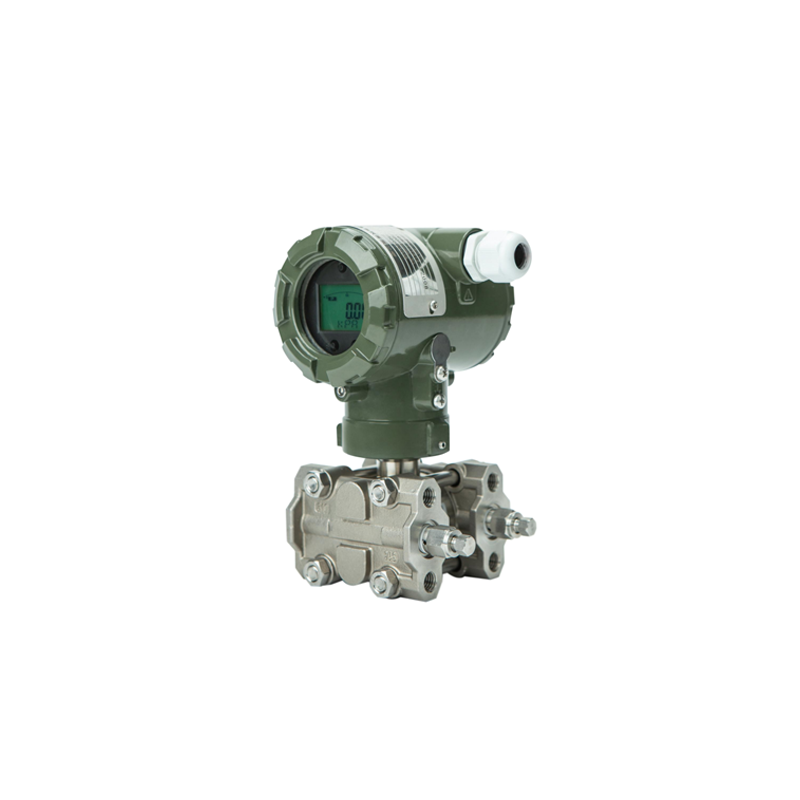
The diverse characteristics of gas media — including corrosivity, toxicity, humidity, cleanliness, and temperature and pressure conditions — primarily influence the selection, installation, and protective level design of transmitters, without altering their core measurement functionality.
The following sections will detail the typical application scenarios of differential pressure transmitters with different gas types, as well as the key considerations for their selection.
Classification by Application Purpose of Differential Pressure Transmitters
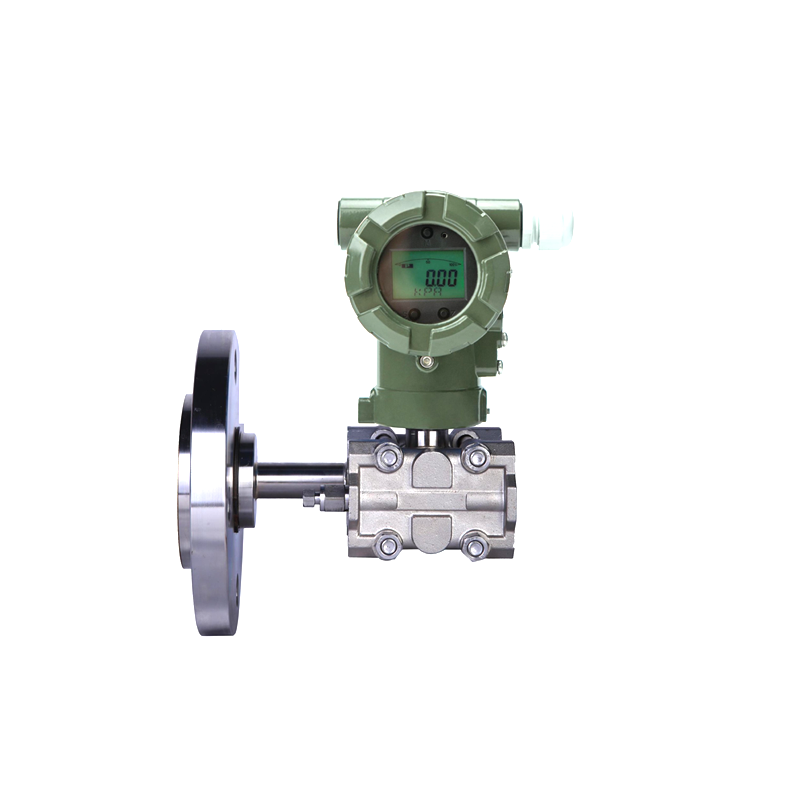
Regardless of the gas type, the applications of differential pressure (DP) transmitters can be categorized into the following types:
1. Flow Rate Measurement
- Principle: Used in conjunction with flow restriction devices (e.g., orifice plates, Venturi tubes, averaging pitot tubes). A pressure difference is generated when gas flows through the restriction, and this pressure difference is proportional to the square of the flow velocity.
- Application Scenarios: Any scenario requiring gas flow metering or control, such as natural gas trade settlement, process gas intake control, and stack emission monitoring.
Want to Know More About this Differential Pressure Transmitter or its Pricing?
Our engineers will recommend the most suitable model based on your specs and budget.
2. Liquid Level Measurement
- Principle: The differential pressure method is used to measure the liquid level in sealed vessels. The high-pressure side of the transmitter is connected to the bottom of the vessel, sensing both the liquid static pressure and gas pressure; the low-pressure side is connected to the top of the vessel, sensing only the gas pressure. The difference between the two pressures directly reflects the liquid level height.
- Key Consideration: The densities of the gas and liquid must be accurately known. This method is suitable for liquid level measurement in various storage tanks (for water, oil, and chemicals), where the gas at the top can be air, nitrogen, or process gas.
3. Filter/Equipment Resistance Monitoring
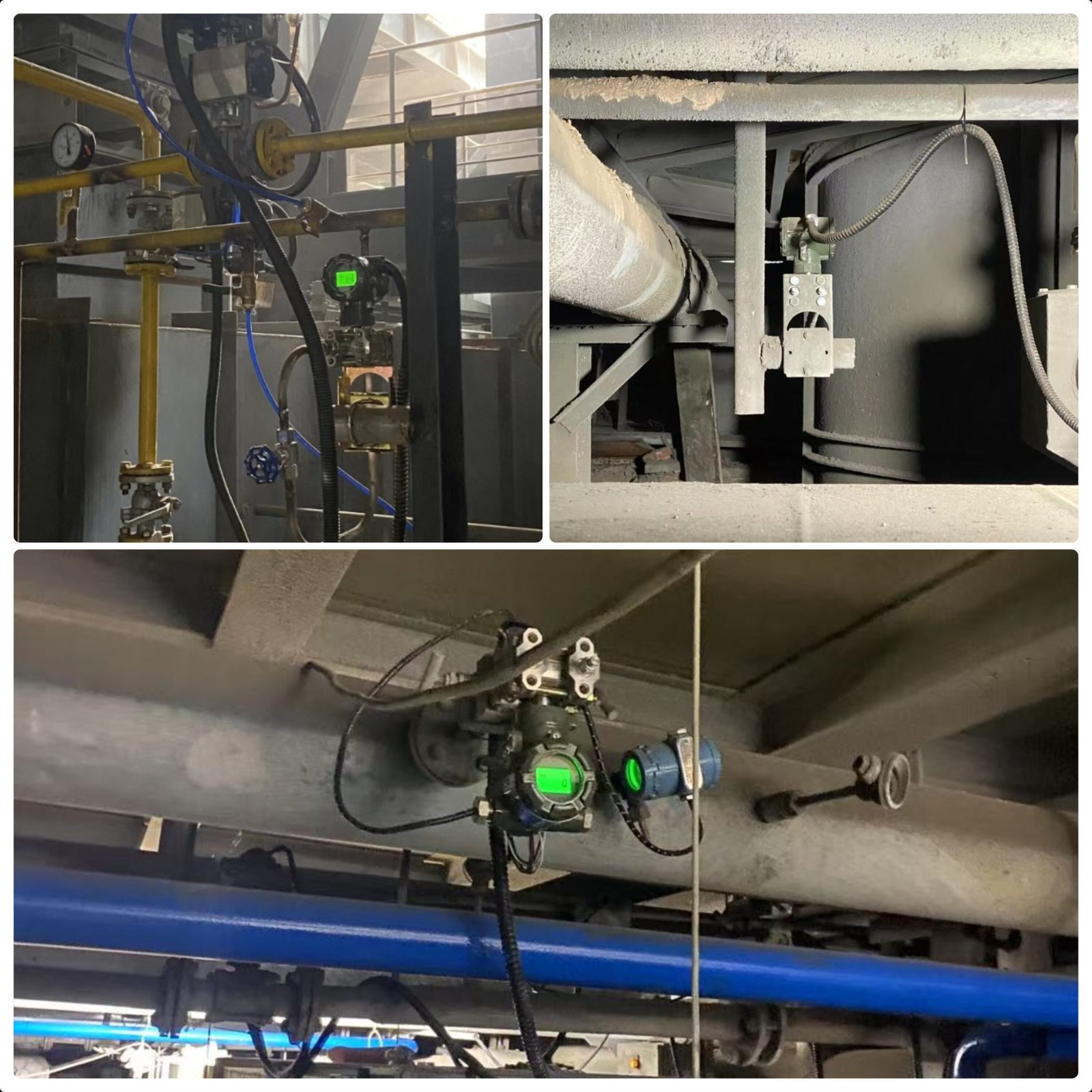
- Principle: Directly measures the pressure loss of gas before and after it passes through equipment such as filters, catalyst beds, drying towers, and heat exchangers.
- Function: Monitors clogging and scaling conditions to enable predictive maintenance and ensure the efficient operation of the system. This is one of the most common applications.
4. Density and Composition Inference
- Principle: With a known fixed volume and height difference, the average density of the gas can be calculated by measuring the pressure difference across a section of pipeline or equipment. Combined with temperature and pressure compensation, the gas composition can be further inferred (e.g., in hydrogen/nitrogen gas mixtures).
Special Considerations for Different Gases
The chemical and physical properties of gas media are the primary factors in determining transmitter selection.
1. Clean, Dry, Non-Corrosive Gases
- Typical Gases: Air, nitrogen, oxygen, argon, etc.
- Applications: Plant instrument air systems, compressed air systems, protective gas systems, and air separation units.
- Selection Considerations:
- A standard configuration is sufficient. Wetted parts are typically constructed from 316 stainless steel.
- Strictly adhere to oil-free requirements for oxygen applications; all components must undergo rigorous degreasing and cleaning.
2. Corrosive/Toxic and Hazardous Gases
- Typical Gases: Chlorine, sulfur dioxide, hydrogen sulfide, ammonia, wet chlorine, acid gases, etc.
- Applications: Chemical production, waste gas treatment (desulfurization and denitrification), semiconductor manufacturing.
- Selection Considerations:
- The diaphragm material is critical; high-grade, corrosion-resistant alloys such as Hastelloy C-276, Monel, tantalum, or PTFE-coated materials must be used.
- Safety first: Explosion-proof certified products with Intrinsically Safe (Ex ia) or Flameproof (Ex d) ratings are mandatory.
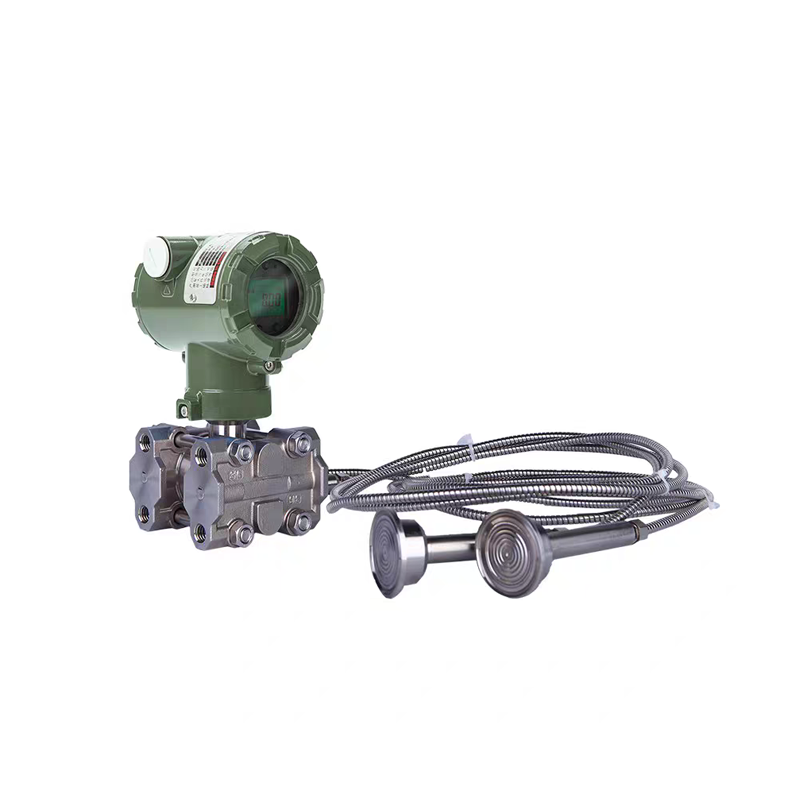
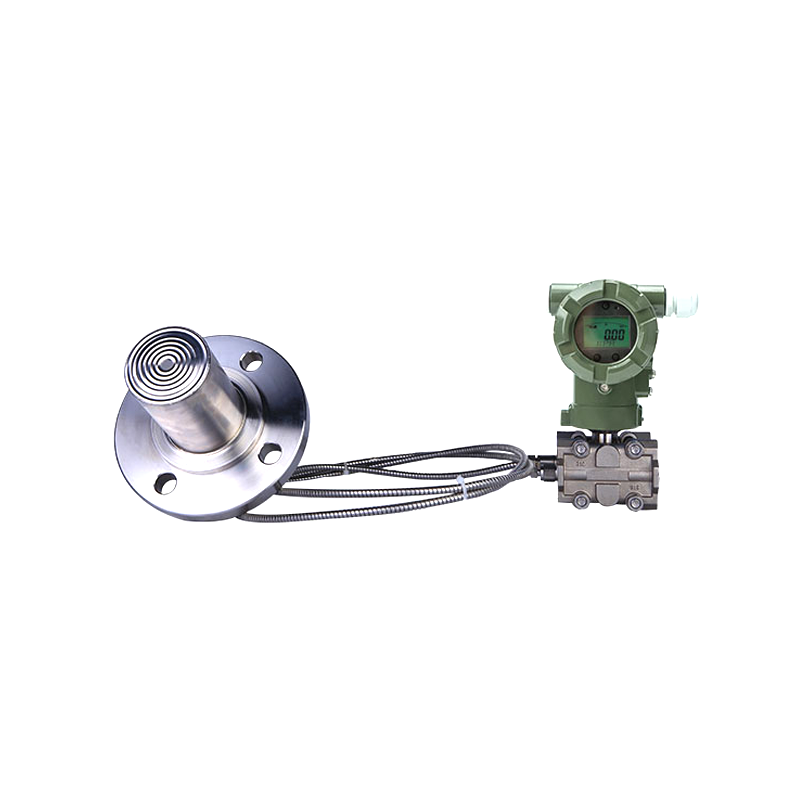
- Sealing & Impulse Piping: Adopt a welded diaphragm structure and avoid flange seals (prone to corrosion or chemical reaction). For highly toxic gases, capillary remote seal differential pressure transmitters are commonly used to bring the measuring diaphragm into direct contact with the process, eliminating the risk of impulse pipe leakage.
3. High-Temperature Gases
- Typical Gases: Boiler flue gas, hot blast stove exhaust, process reaction gas.
- Applications: Power plants, metallurgy, cement production, chemical industry.
- Selection Considerations:
- Temperature Limits: The electronic components of standard transmitters typically have a maximum temperature resistance of 85°C. Isolation measures are mandatory for high-temperature process media.
- Standard Solutions: Use capillary remote seal differential pressure transmitters; the silicone oil filled in the capillaries isolates the high-temperature medium from the transmitter body. Condensation loops are also a common method, allowing steam in the impulse pipes to condense naturally and form a liquid seal to protect the instrument.
- Diaphragm Material: Must withstand high temperatures, such as thickened 316 stainless steel diaphragms.
4. Moist, Condensable Gases
- Typical Gases: Saturated steam, humid compressed air, process moisture.
- Applications: Steam metering, drying systems, and high-humidity environments.
- Selection Considerations:
- Prevent Liquid Accumulation in Impulse Pipes: Accumulation can cause severe measurement distortion.
- Installation is Key: For flow measurement in horizontal pipes, mount the transmitter on the pipe side, with impulse pipes tapping from the top of the pipe. Install a liquid trap on the transmitter side for regular drainage.
- Standard Solution for Steam Measurement: A condensation pot (equalizer tank) must be installed to ensure the height of the condensed water column in both impulse pipes is equal and stable.
5. High-Purity/Special Gases
- Typical Gases: Specialty electronic gases for the semiconductor industry (e.g., silane, phosphine), high-purity nitrogen, high-purity argon, and sterile process gases for the pharmaceutical industry.
- Applications: Semiconductor wafer manufacturing, biopharmaceuticals, and precision laboratories.
- Selection Considerations:
- Ultra-High Cleanliness: Wetted surfaces require electropolishing (EP) to achieve an extremely low roughness, preventing particle adsorption and retention.
- Dead-Leg-Free Design: Adopt flush-mounted diaphragms or flange connections to ensure a completely smooth gas flow path with no stagnation areas.
- Stringent Sealing Materials: Use metal seals or high-grade fluororubber gaskets.
6. Flammable Gases
- Typical Gases: Natural gas, hydrogen, liquefied petroleum gas (LPG), coal gas, methanol vapor, etc.
- Applications: Oil and gas extraction, petrochemicals, hydrogen refueling stations, coal chemical industry.
- Selection Considerations:
- Mandatory Explosion-Proof Requirements: Transmitters with appropriate explosion-proof certifications (e.g., ATEX, IECEx, NEC) must be selected based on the hazardous area classification (Zone 0/1/2).
- Special Considerations for Hydrogen: Hydrogen molecules are small, prone to leakage and permeation, requiring special sealing designs and testing. For hydrogen flow measurement, due to its extremely low density, select a transmitter with a low range and high accuracy.
Wondering Whether This Differential Pressure Transmitter is the Right Solution for your Application?
Our engineers will recommend the most suitable model based on your specs and budget.

Basic Technical Parameters for Differential Pressure Transmitter
The QiYi QYP-3351 Series Differential Pressure Transmitters adopt German MEMS technology, featuring high-quality monocrystalline silicon sensor chips and NPM high-precision welding for exceptional measurement accuracy and superior stability.
They effectively integrate static pressure and temperature compensation, ensuring consistent high accuracy and stability across a wide range of static pressure and humidity variations. The transmitters also deliver outstanding electromagnetic compatibility (EMC) and electromagnetic isolation performance.
Designed to accurately measure differential pressure or gauge pressure, the QYP-3351 series converts the measured values into a 4~20mA DC output signal powered by 24VDC. Users can perform local configuration via dual push-buttons, or remote operation using a universal handheld communicator, configuration software, or a mobile app—without interrupting the display and configuration of the 4~20mA DC output signal.
- Range Limits: Within the upper and lower range limits, the range can be set arbitrarily, provided that the calibrated range ≥ the set range. It is recommended to select a range with the lowest possible turndown ratio to optimize performance.
- Influence of Installation Position: Changes in installation position will cause zero drift, which can be corrected by zero adjustment; there is no impact on the range.
- Output: Two-wire 4-20mA, compliant with NAMUR NE43 standard, with superimposed digital signal (HART protocol).
- Output Signal Limits: Imin (Minimum): 3.9mA; Imax (Maximum): 21.0mA
- Alarm Current: Low Alarm Mode (Minimum): 3.9mA; High Alarm Mode (Maximum): 21mA (configurable by the user)
- Default Setting of Alarm Current: High Alarm Mode
- Fault Warning: If a fault occurs in the sensor or circuit, the automatic diagnosis function will automatically output 22.0mA.
- Response Time: Damping constant of the amplifier component: 0.1s; Sensor time constant: 0.1~1.6s, depending on the range and turndown ratio. Additional adjustable time constant: 0~100s
- Warm-up Time: < 15s
Differential pressure transmitters are the master key for measurement applications in the gas industry. 80% of their application success hinges on a deep understanding of gas medium characteristics, along with precise selection and standardized installation based on that understanding. From clean air to highly toxic and corrosive gases, and from high-temperature flue gas to ultra-high-purity electronic gases, differential pressure transmitters deliver stable, accurate critical process data by addressing the core challenges of medium compatibility, operational safety, and measurement reliability in a targeted manner—solidifying their role as the cornerstone of industrial automation and energy efficiency management.
Differential pressure transmitters are the master key to measurement in the gas industry. Eighty percent of their application success depends on a deep understanding of gas medium characteristics, as well as proper selection and installation based on that understanding. From clean air to highly toxic and corrosive gases, and from high-temperature flue gas to ultra-high-purity electronic gases, differential pressure transmitters deliver stable, accurate critical data by addressing the challenges of medium compatibility, safety, and measurement reliability in a targeted manner—cementing their position as the cornerstone of industrial automation and energy efficiency management. You can contact our professional engineers for precise selection recommendations.